Pools In Vancouver: Everything you need to know before you build
Learn what to consider before building a pool in Vancouver—from permits and design to climate, materials, and budgeting—for a long-lasting, year-round backyard investment.
Read more


Aimee Railton
Marketing Manager
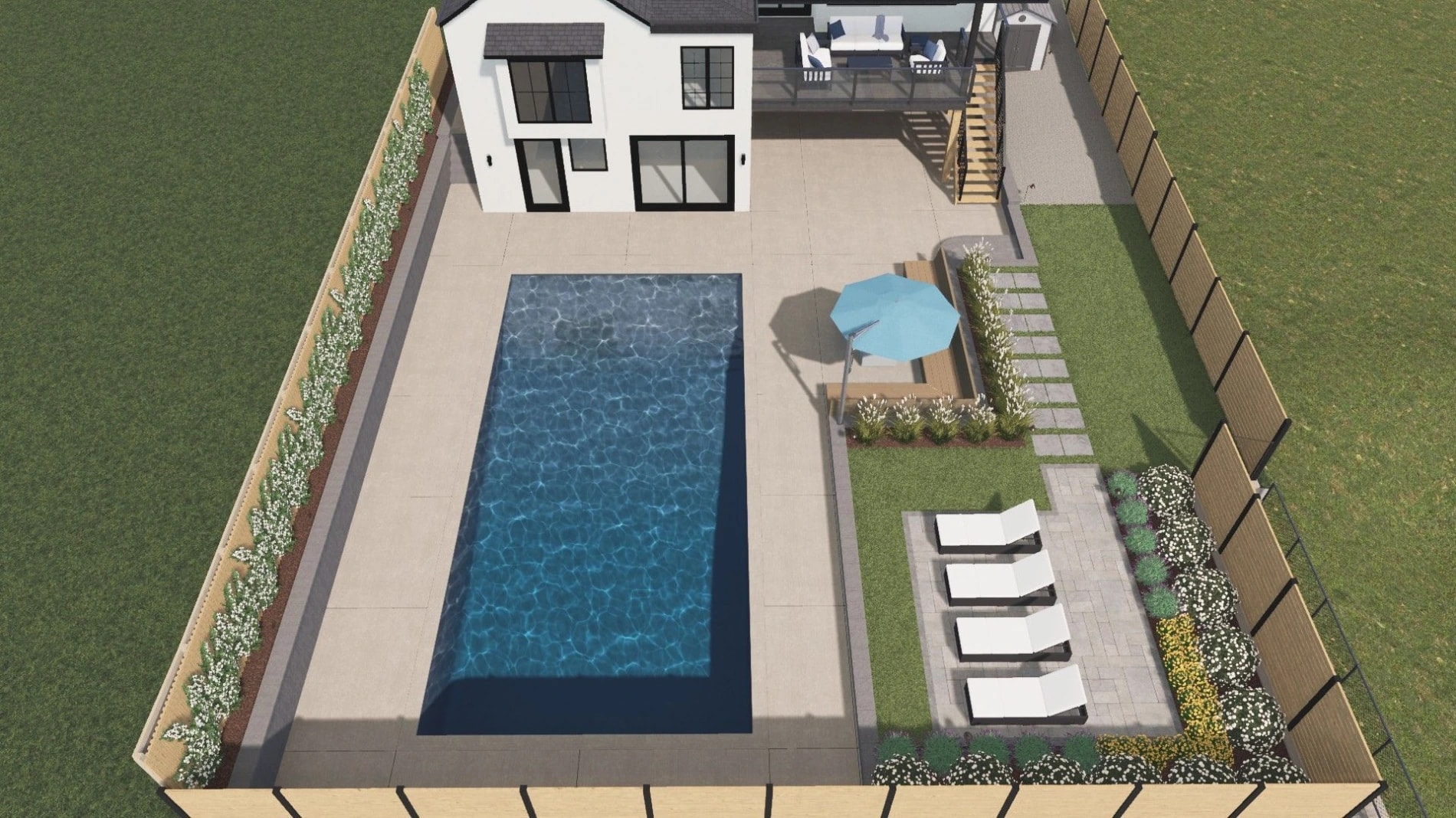
Your backyard isn’t just a patch of land—it’s an extension of your home, a place to gather, unwind, and enjoy life outdoors. Before you invest time, energy, and money, taking a thoughtful approach to planning will save headaches down the road and ensure your space truly works for how you live.
Ask yourself: How do you want to use this space? Are you dreaming of large gatherings, quiet mornings with a coffee, or an all-season entertaining hub? Defining purpose first guides every other decision—from layout to materials—and keeps your investment aligned with your lifestyle.
Every yard has its quirks. Soil type, slope, drainage, sun exposure, and existing structures all affect what’s possible. Understanding your site upfront prevents surprises later and ensures your design will last.
A backyard should move naturally. Paths, patios, and seating areas need to feel intuitive. Consider privacy, sightlines, and how people will move through the space. Small details like step placement, lighting, and access to utilities make a big difference.
Invest in quality materials that stand up to weather, wear, and time. Natural stone, durable wood, and thoughtfully selected plants not only look better—they require less maintenance, keeping your space beautiful for years.
It’s tempting to focus on big-ticket items, but consider all the pieces: design, construction, irrigation, lighting, and furniture. A realistic budget now prevents compromises later.
Your ideal backyard shouldn’t be a full-time job. Factor in plant care, surface upkeep, and seasonal maintenance. Choosing low-maintenance solutions where possible keeps the space inviting, not exhausting.
A landscape professional can help turn your vision into reality, balancing creativity with practicality. They know what works in your climate, site, and budget—and can foresee challenges you might not.
Your backyard should feel effortless, inviting, and built to last. Taking the time to plan with purpose ensures your space becomes more than a yard—it becomes a place where life unfolds naturally.